
There are places you visit. And then there are places that, without asking, begin to live inside you.
Positano often does that: you arrive thinking of the sea, the alleyways, the staircases climbing through bougainvillea and whitewashed walls. But when you come back in, you realize the real journey starts indoors. At Rokketta apartment, at the end of the day, details become a private map—small coordinates that turn a space into a moment.
A book: a quiet compass
A book left nearby is never “just a book.” It’s permission to slow down, to hold the day before it slips away. Reading in Positano feels different: a page can taste of salt in the air, a chapter can move with the rhythm of footsteps on the stairs, a sentence can cling to your fingers like fine sand. The book, on a table or by the bed, is a promise: you don’t have to do anything. You can simply stay.
A lit lamp: a scene, not just a room
Light doesn’t only illuminate. It directs. A lamp turned on—when the town outside dims in small patches and windows become framed pictures—creates a scene. It’s domestic theatre, shelter, a calm that sounds like a chord held a little longer than usual. That light softens corners, lowers the volume of your thoughts, and reminds you that true luxury isn’t excess. It’s atmosphere.
A cup: the ritual that brings you back to yourself
A cup is the most human gesture in travel. You can change trains, luggage, schedules—but a warm cup in your hands puts everything back in place. Coffee, tea, something herbal after dinner: it doesn’t matter. What matters is the minute you stop, look without scrolling, breathe without hurry. It’s a small anchor. And in Positano, where every view pulls you outside, the cup invites you to come back in.
A window: the border between inside and elsewhere
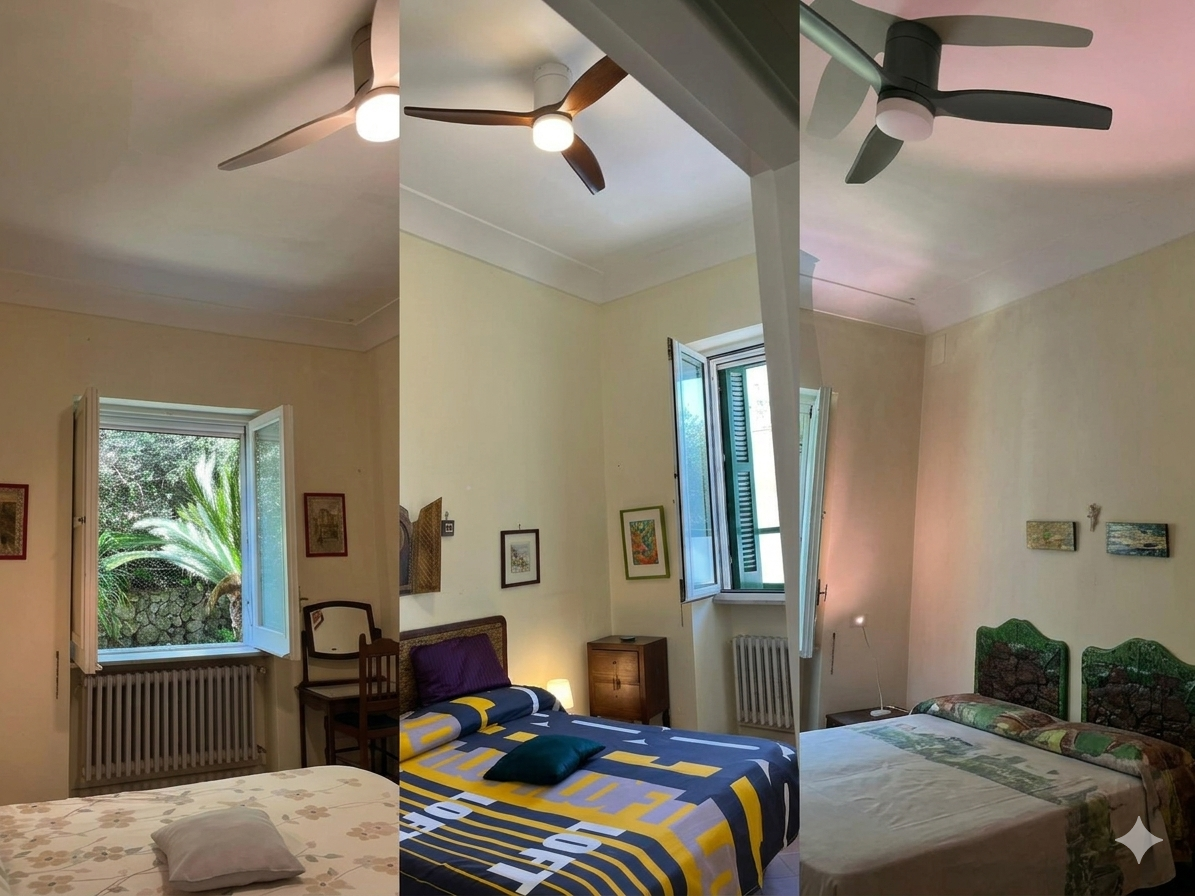
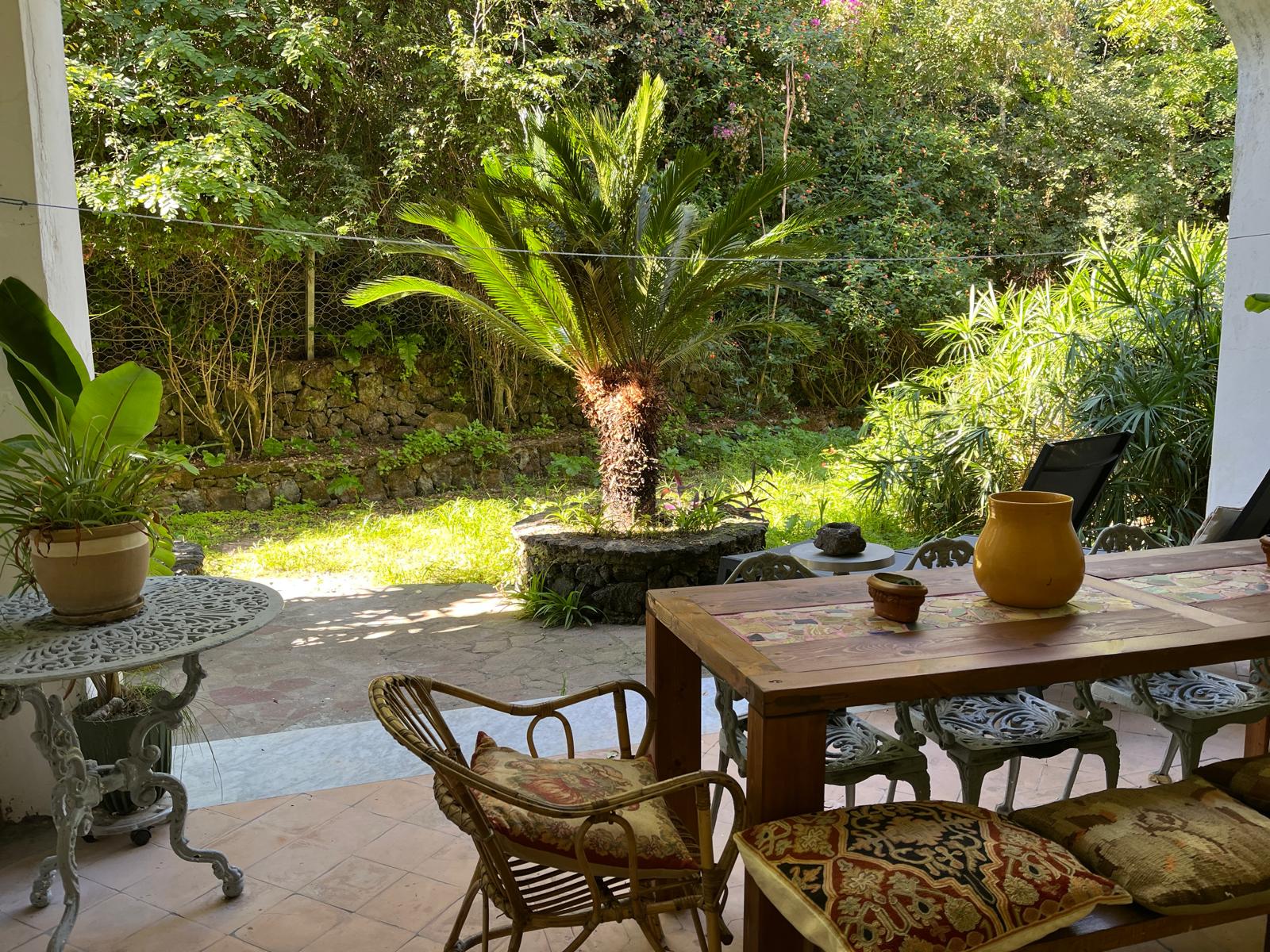
A window is the loveliest kind of freedom. You don’t need to open the door—one glance is enough. The world enters without intruding, and you can hover between two dimensions. Inside, the quiet of Rokketta apartment. Outside, Positano changing colors with the light, moving with distant sounds, breathing with the sea. The window isn’t a detail. It’s a continuous departure.
It isn’t a house. It’s a moment.
Some days, travel is a checklist of things to see. And then there are evenings when you understand what you’ll remember won’t be the list, but the intimacy: a book begun without rushing, a lamp casting warmth into the air, a cup that smells like pause, a window letting Positano in without you having to chase it.
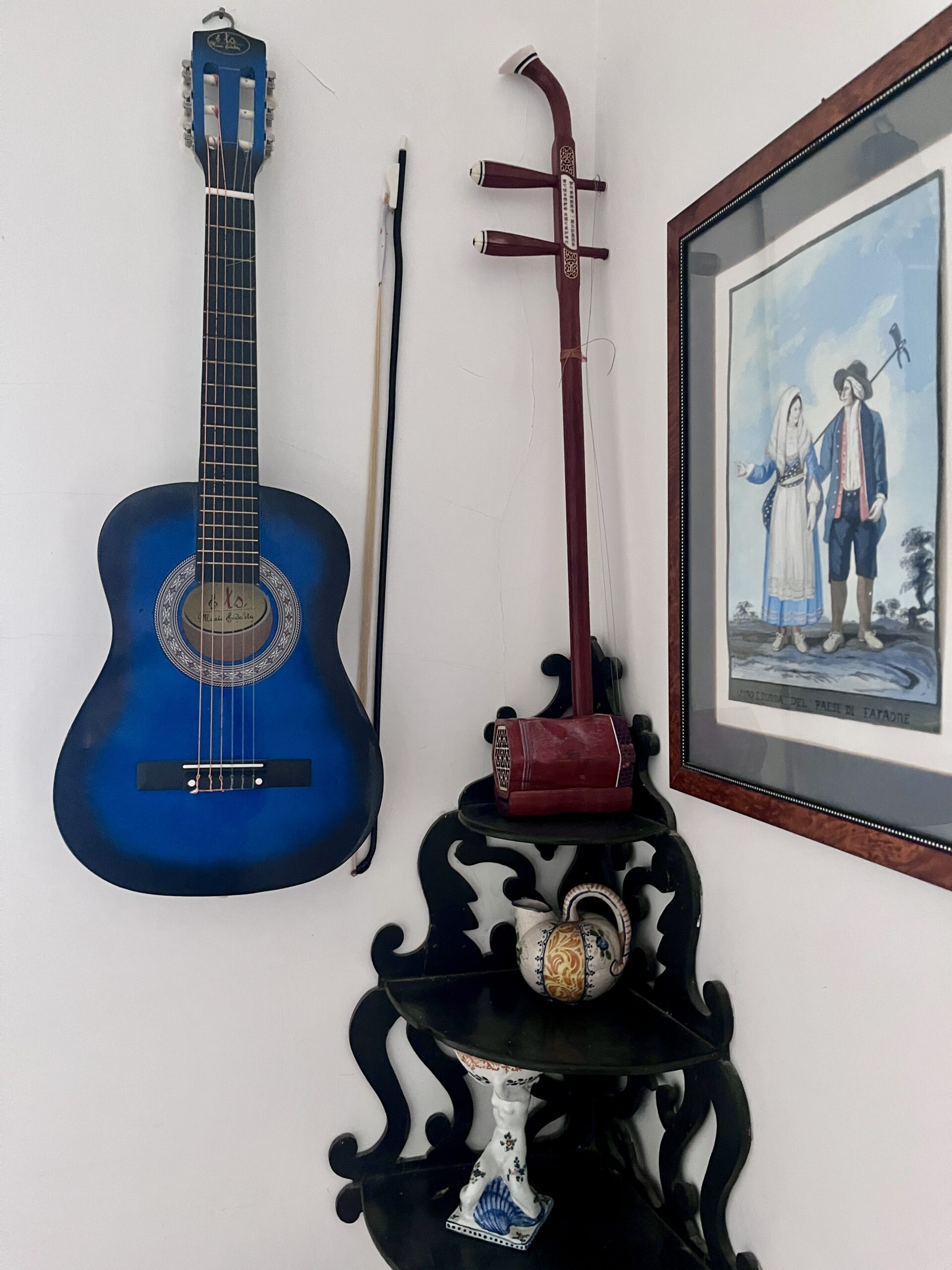
And in the middle—music. Because here, among walls that hold stories and a good kind of silence, every detail has a sound. Sometimes it’s an imagined arpeggio, sometimes it’s a melody following you in from the street, sometimes it’s simply the steady rhythm of a day finally coming to rest.